Past Forward: NLHF gallery redevelopment (2022-24)
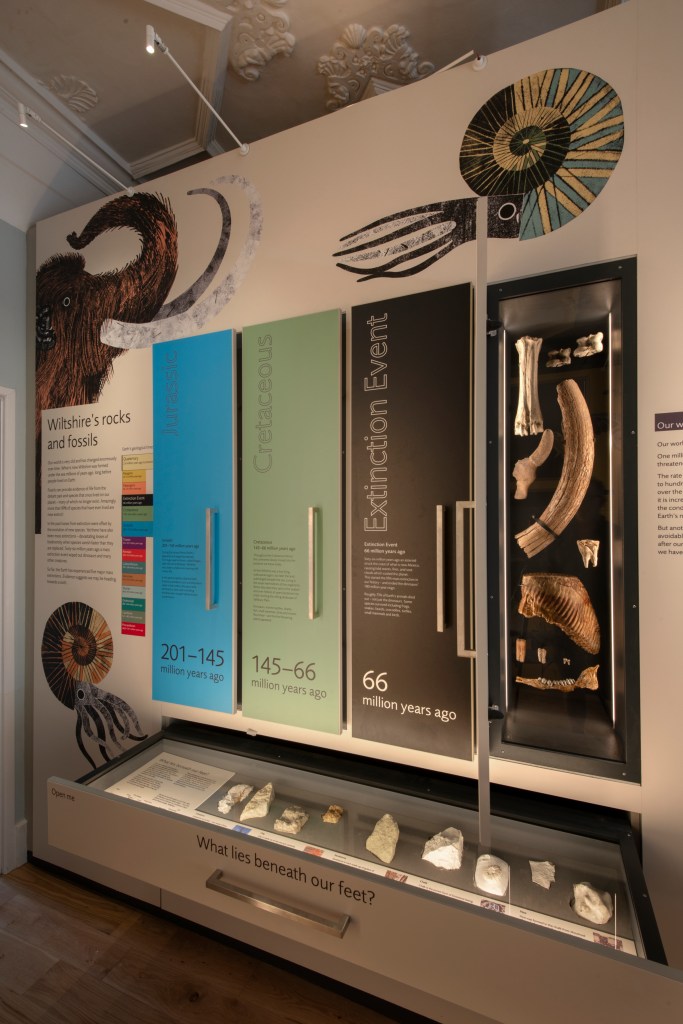
Photography (images 2-6): John Chase
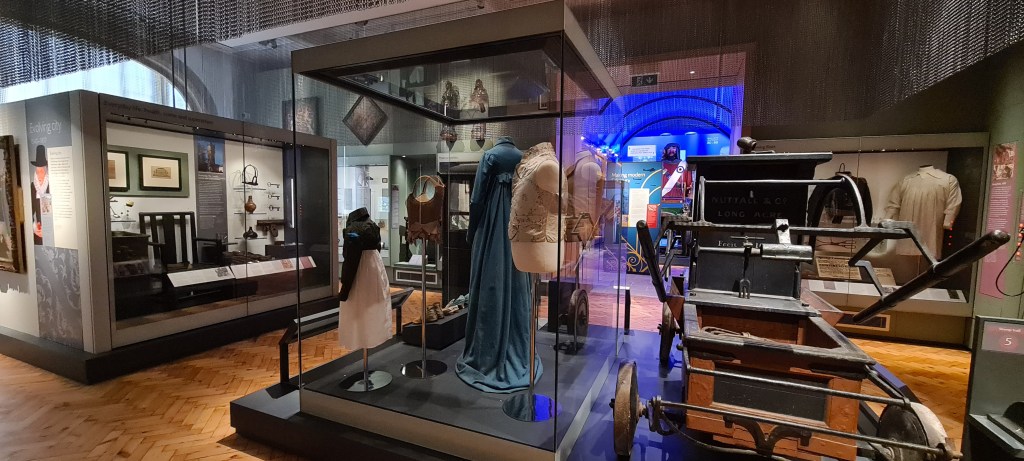
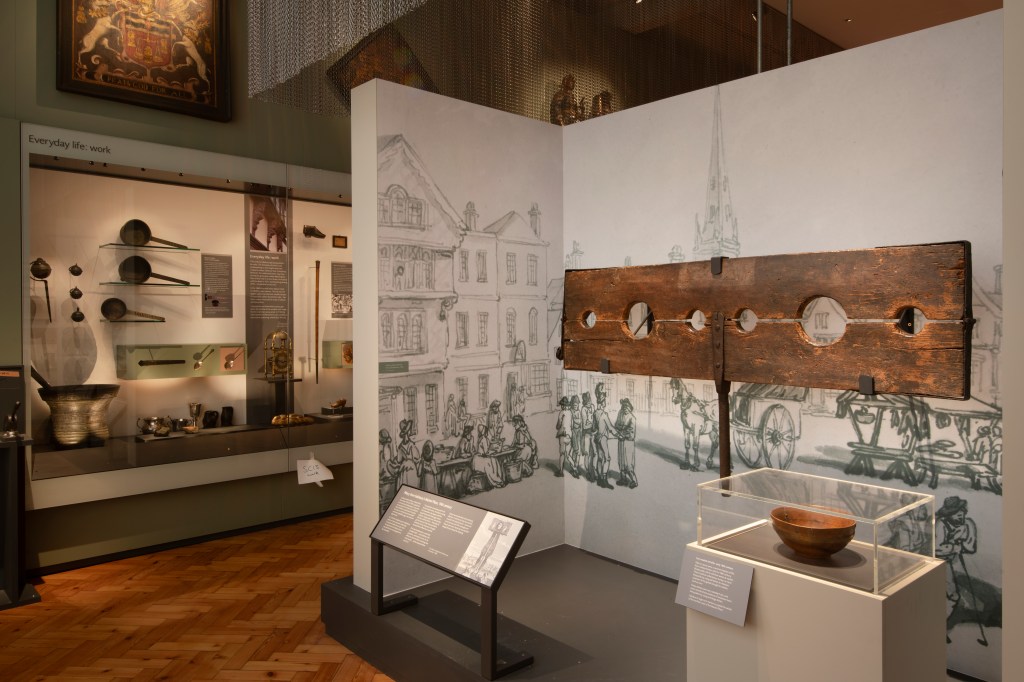
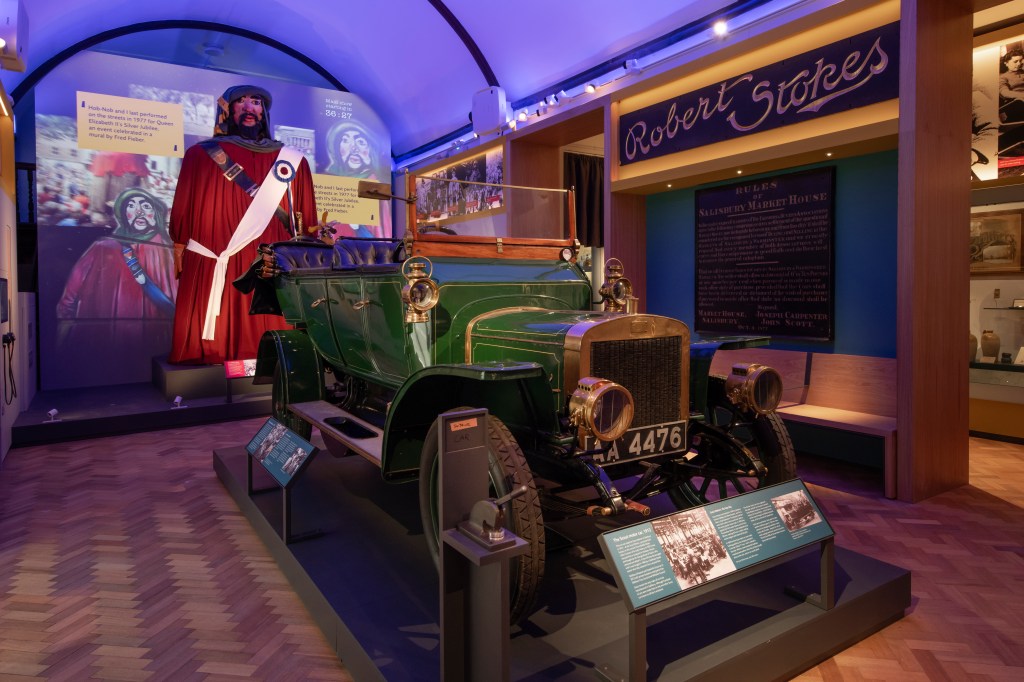
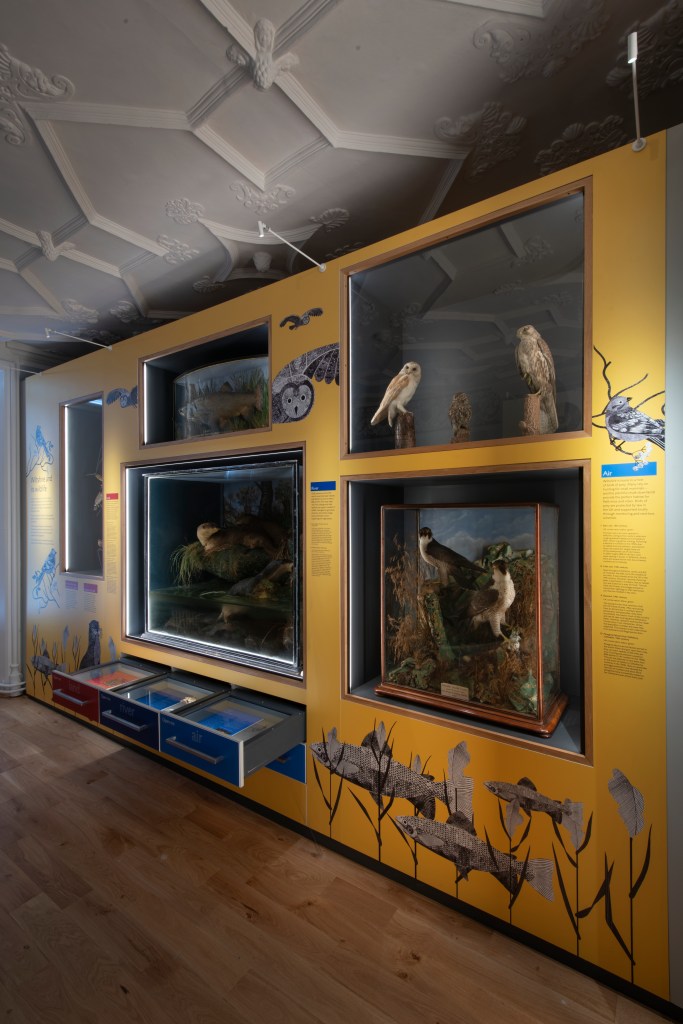
Assisted the project curator on an NLHF project involving the redevelopment of five permanent galleries covering everything from social history and industry to natural history. I undertook collections and documentation work deinstalling the old galleries, returning objects to the store, while also preparing objects selected for the new galleries. Throughout the project I was responsible for liasing with conservators and external contractors regarding collections. I also acted as curatorial assistant and provided research for text labels.
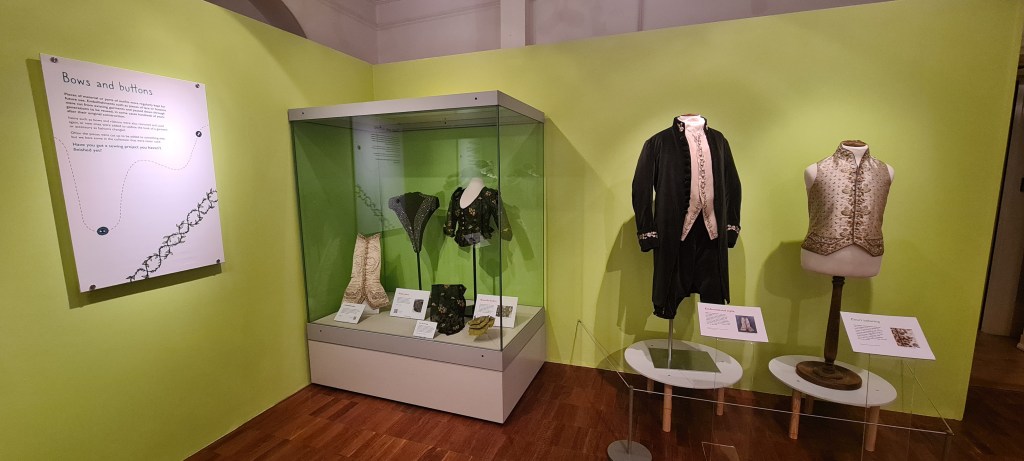
Working in collaboration with community engagement staff, I provided advice and assistance on designing the Giant’s sash community project. I was also responsible for textile mountmaking in the social history galleries.
Fashioning Our World: Sustainable fashion project and exhibition (2022-24)
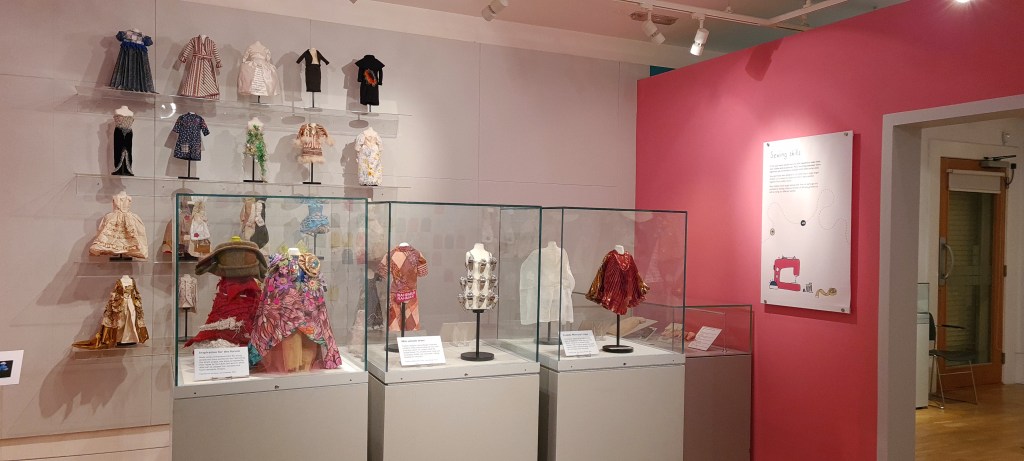
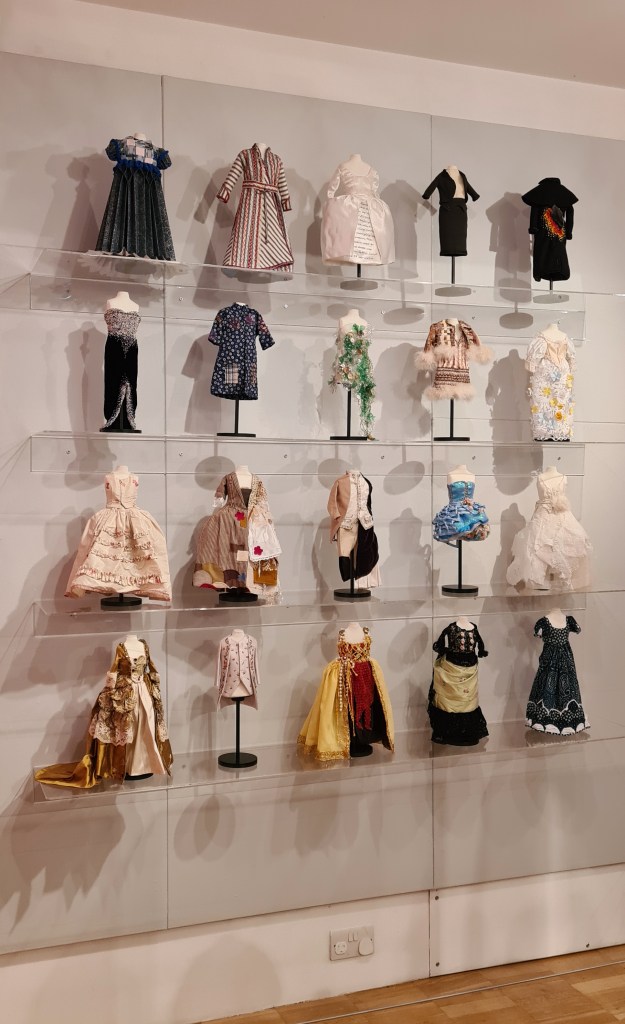
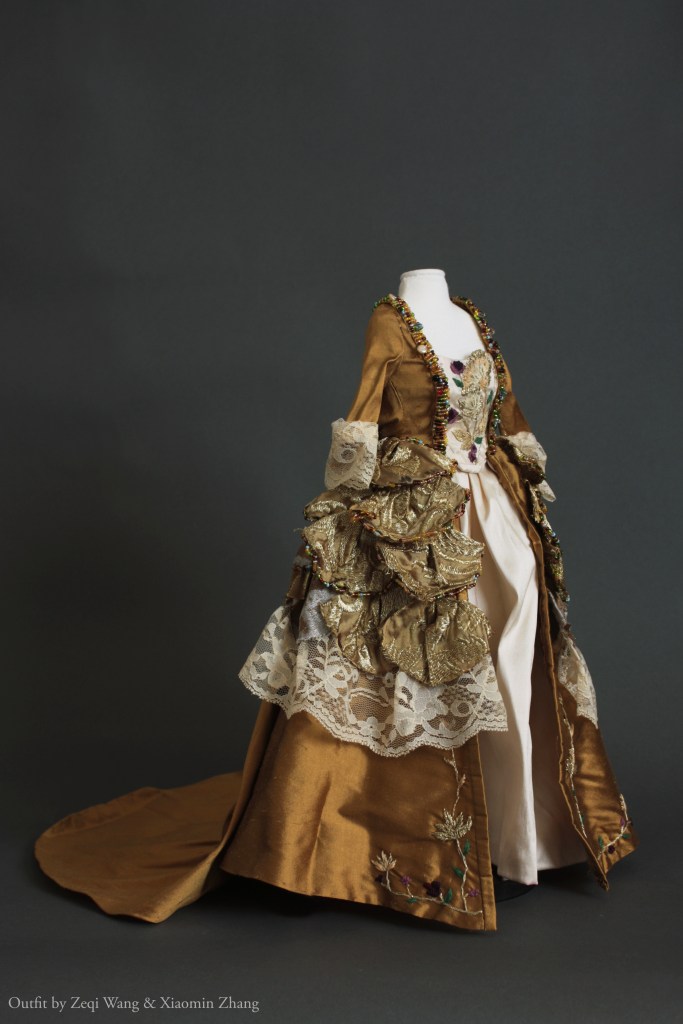
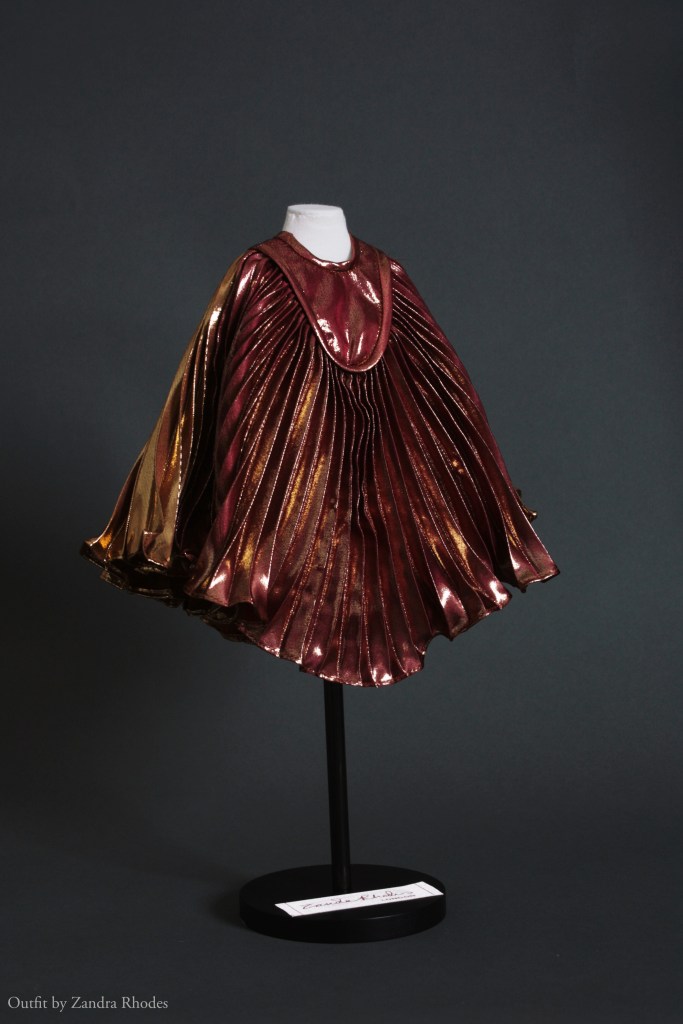
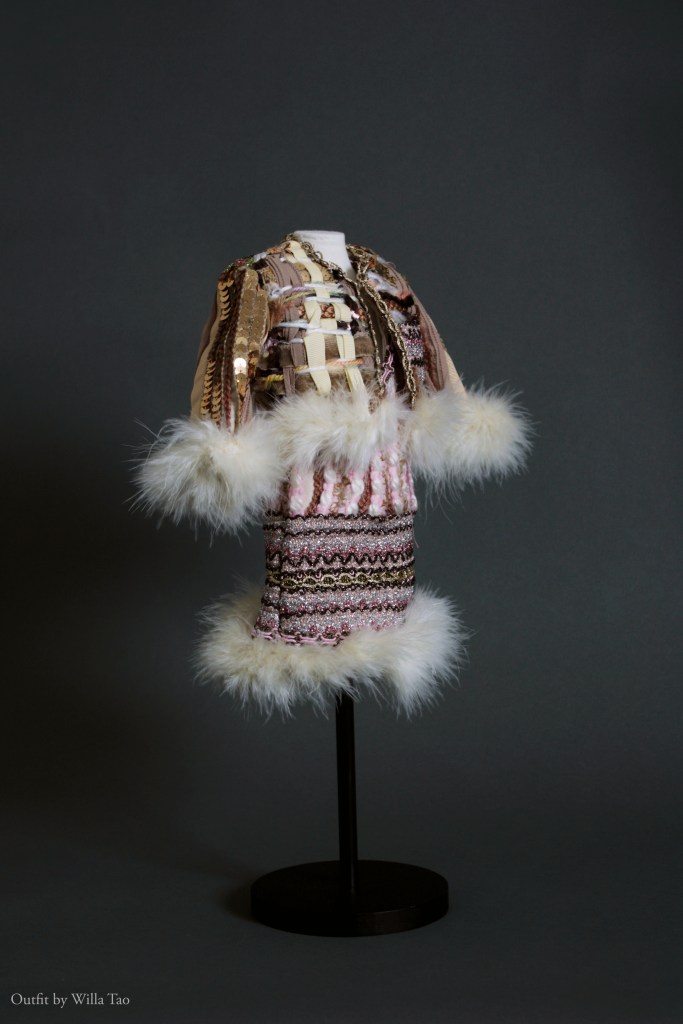
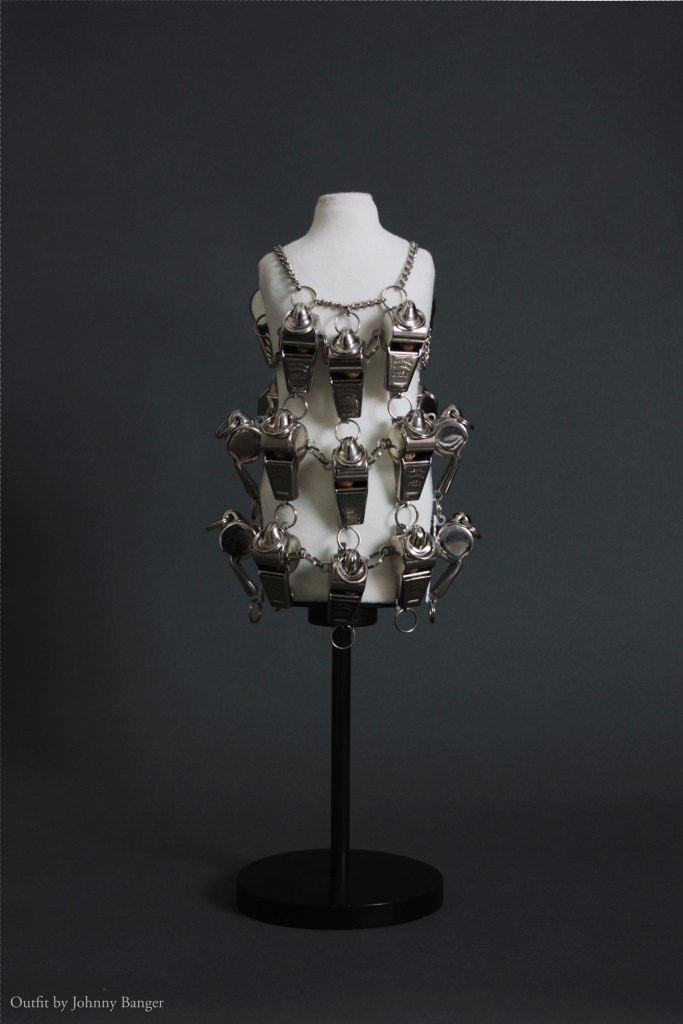
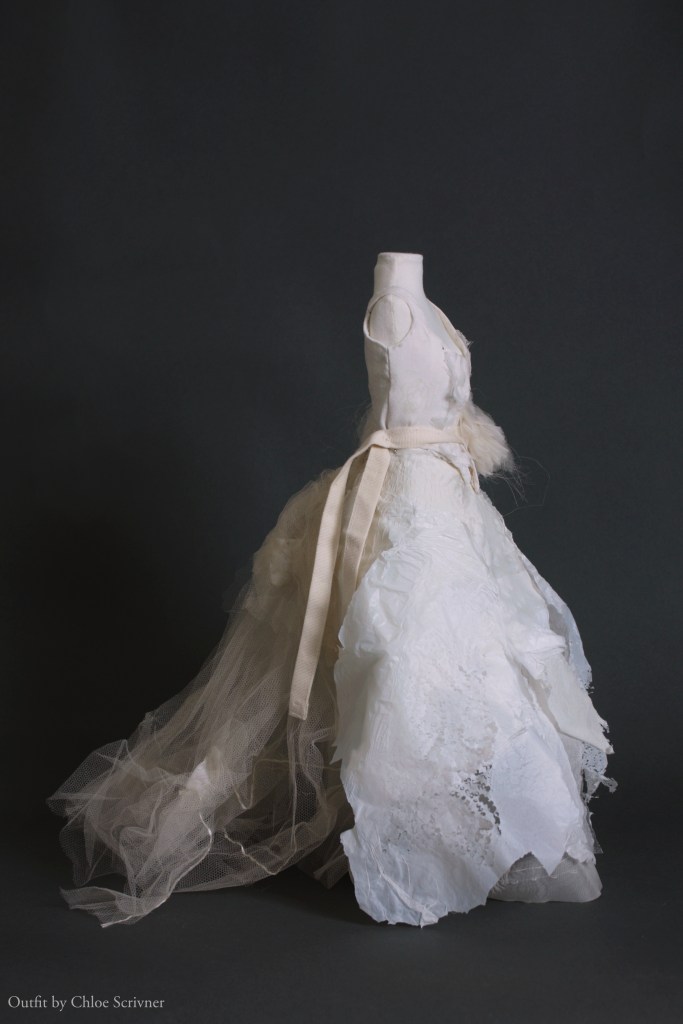
Inspired by the use of reduced-scale mannequins by couturiers like Madeleine Vionnet and Christian Dior to save fabric, I designed and made 30 quarter-scale mannequins for the Fashioning Our World project. These provided the basis for an outreach and engagement project with Arts University Bournemouth students and a way to engage with fashion designers and sustainable fashion experts like Rahemur Rahman and Zandra Rhodes.
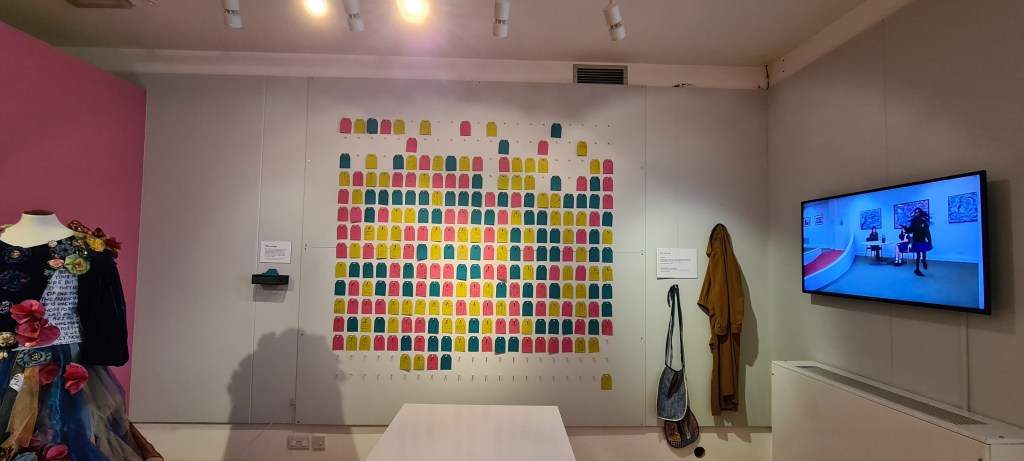
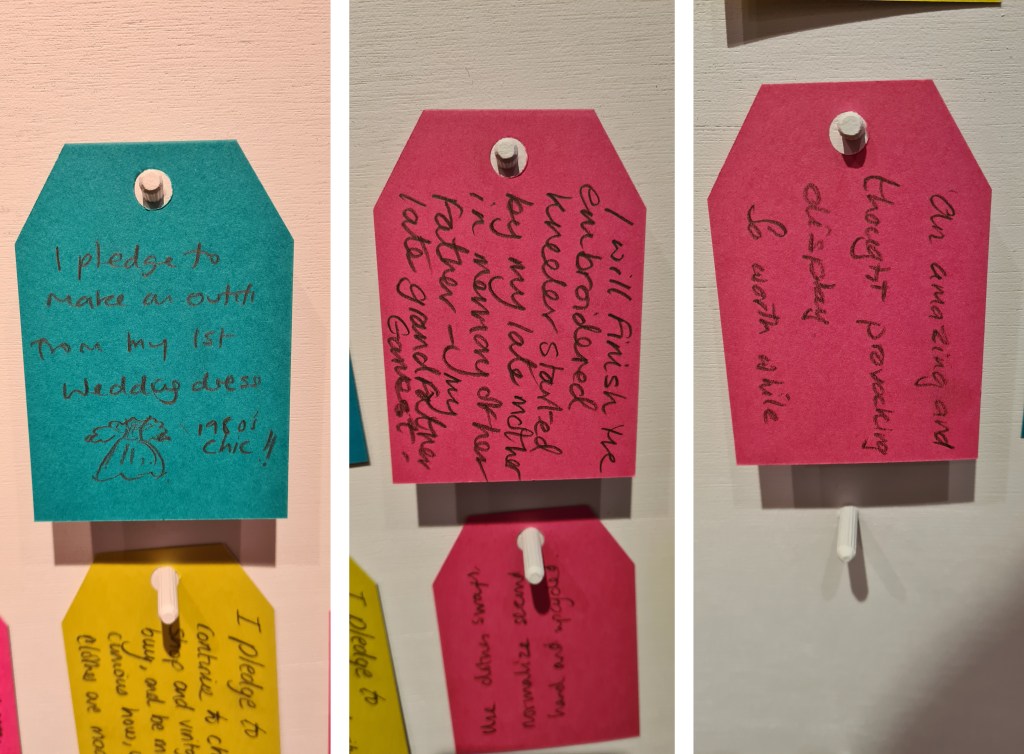
The feedback wall in the exhibition was also designed as an interactive art piece highlighting textile waste, with each of 315 pegs representing a garment sent to landfill every 17 seconds.
Galaxy of Objects: Data visualisation-inspired art installation (2017)
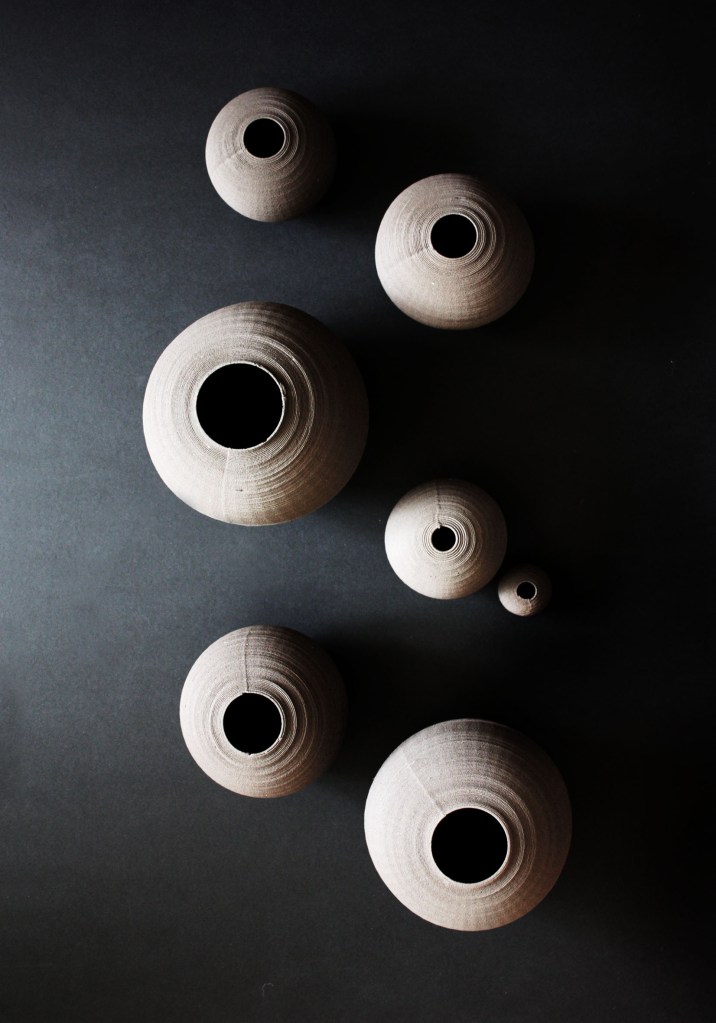
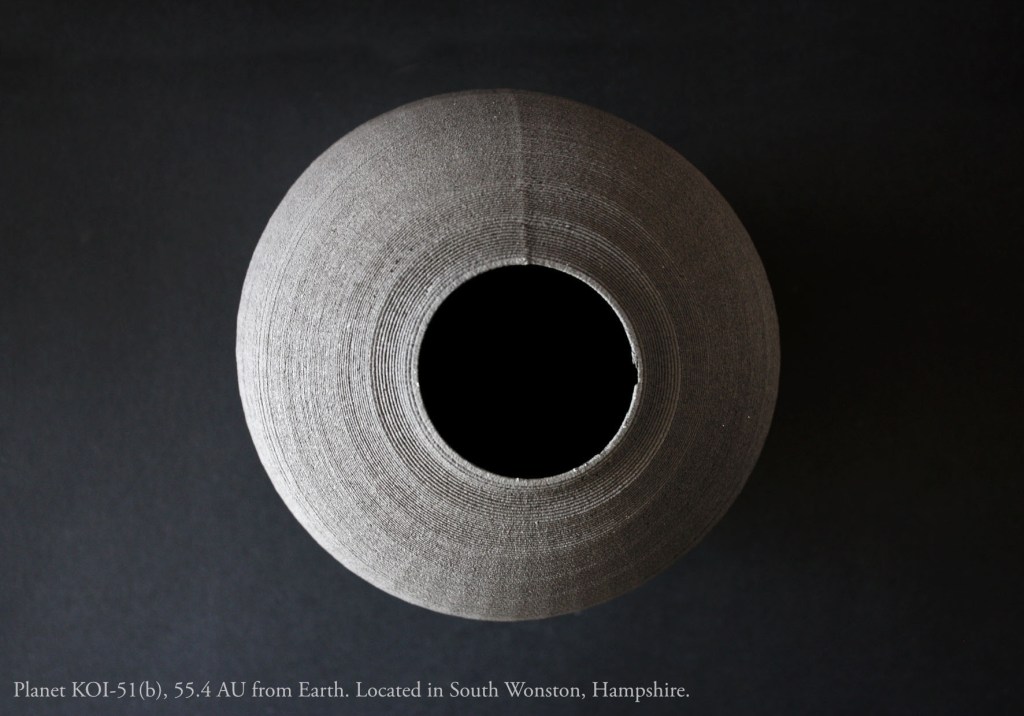
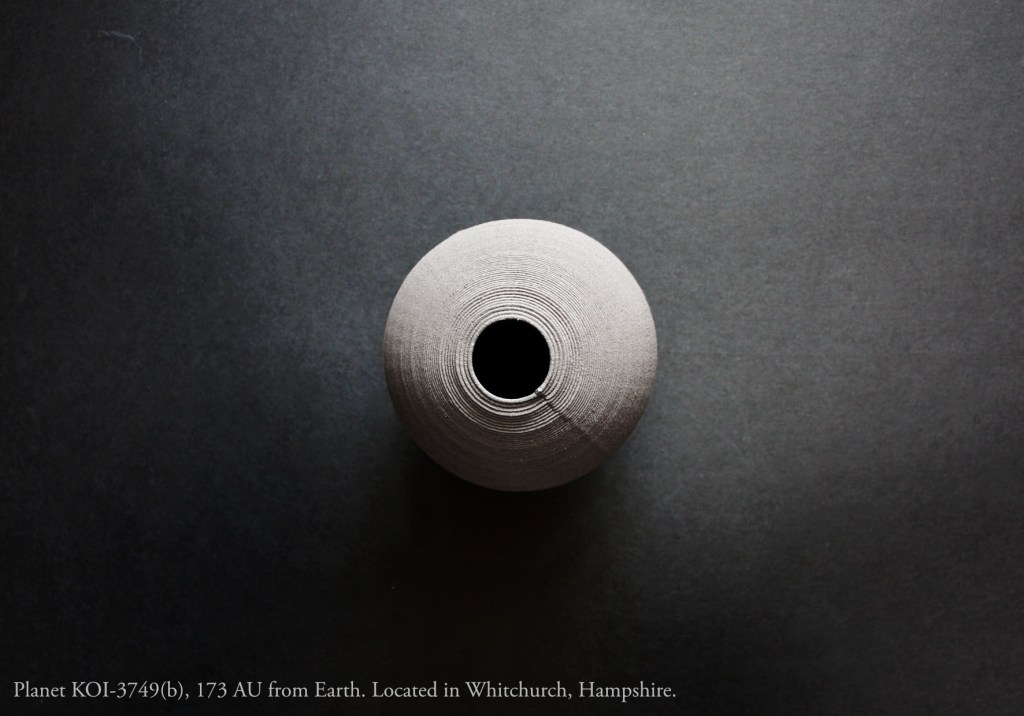
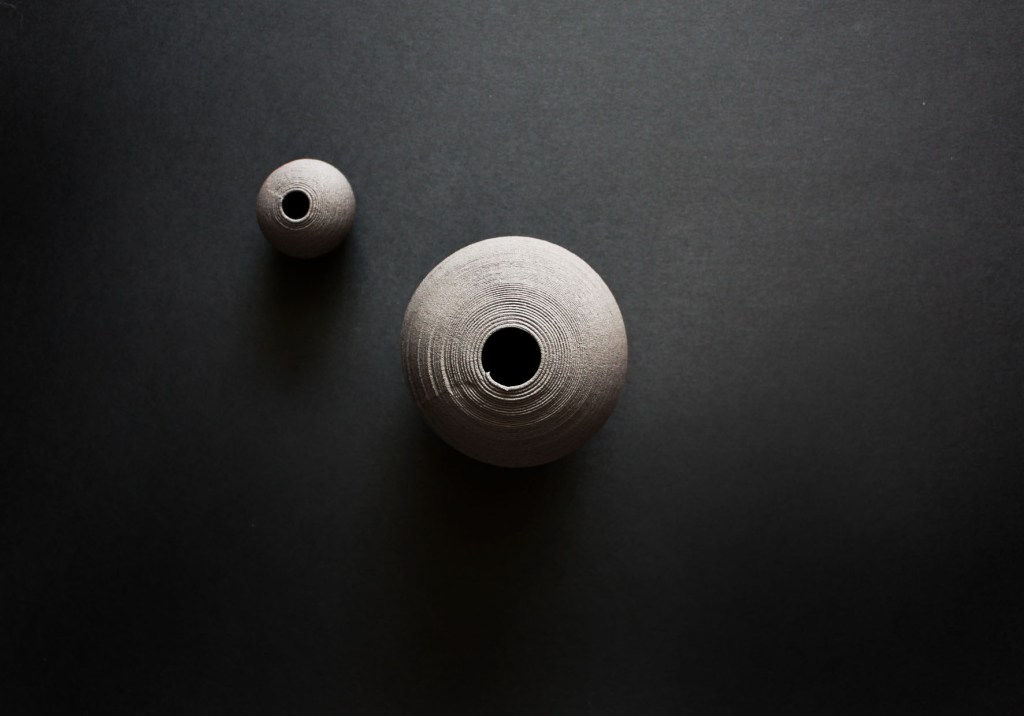
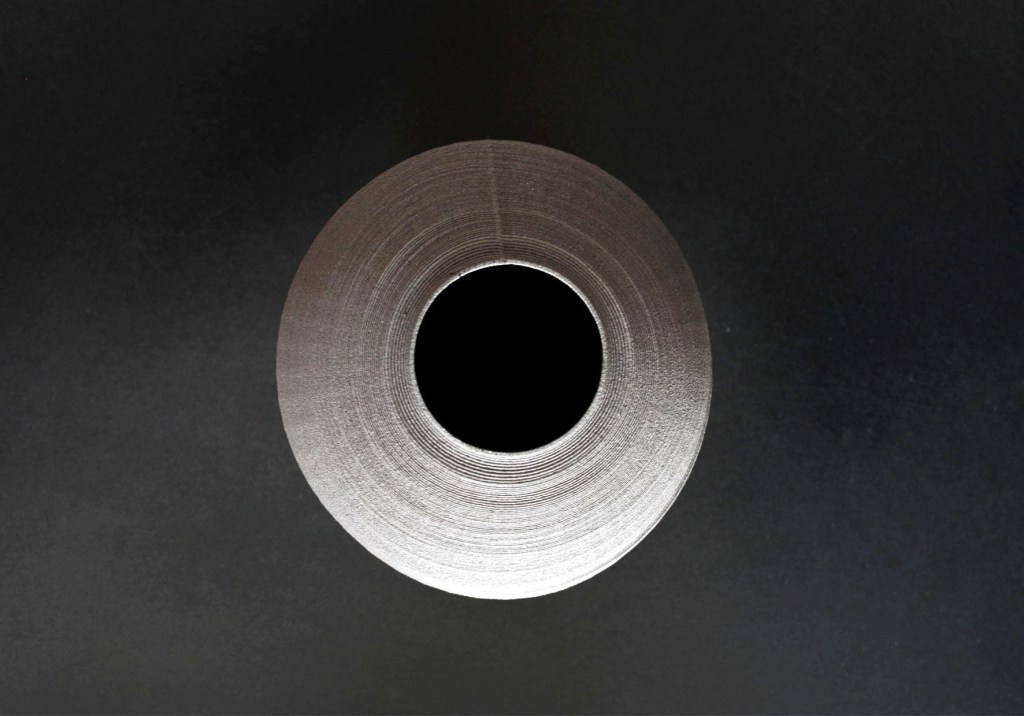
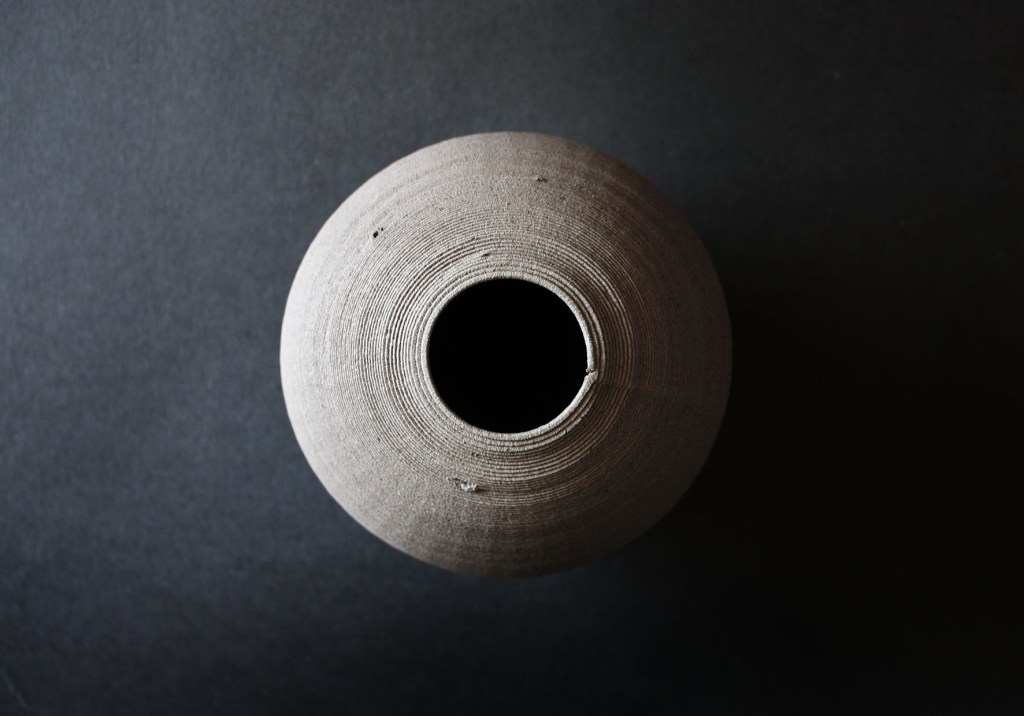
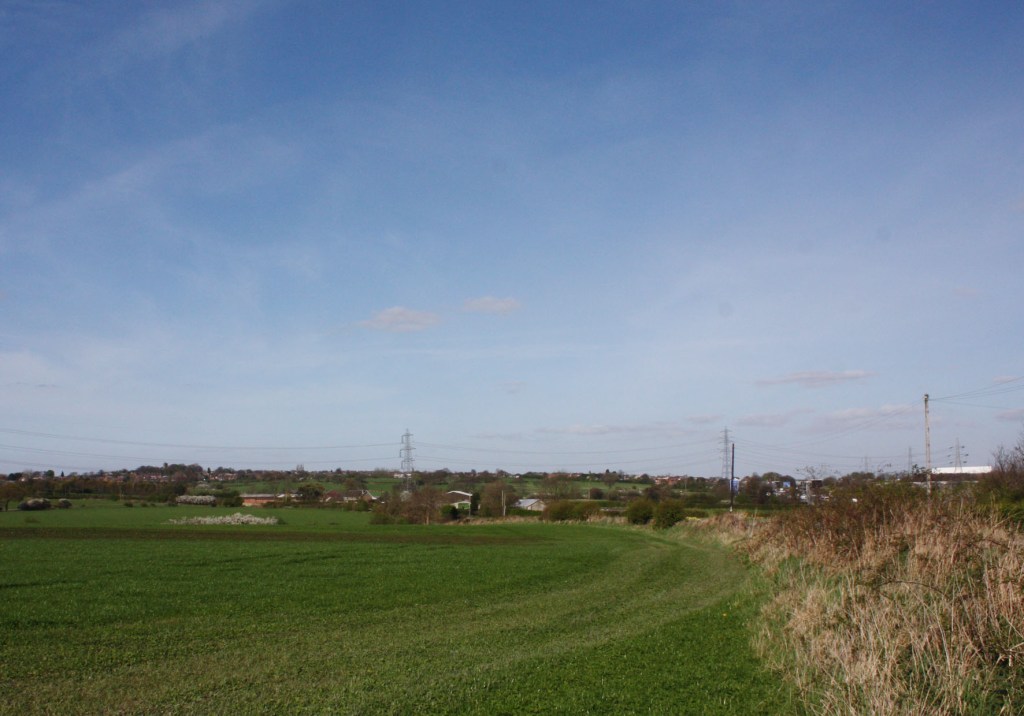
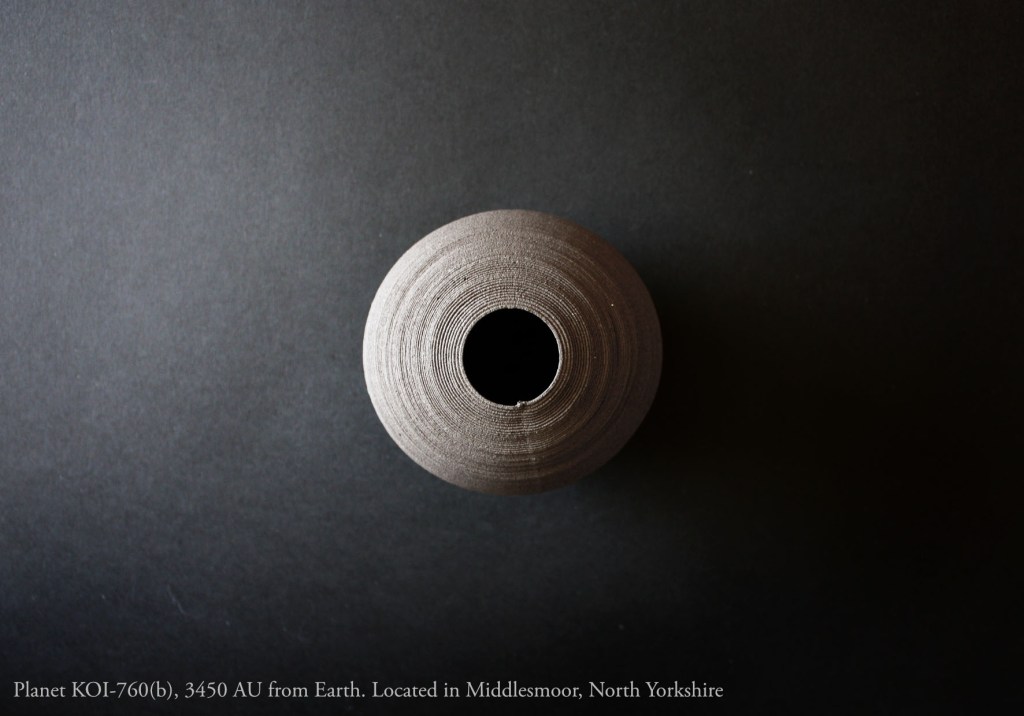
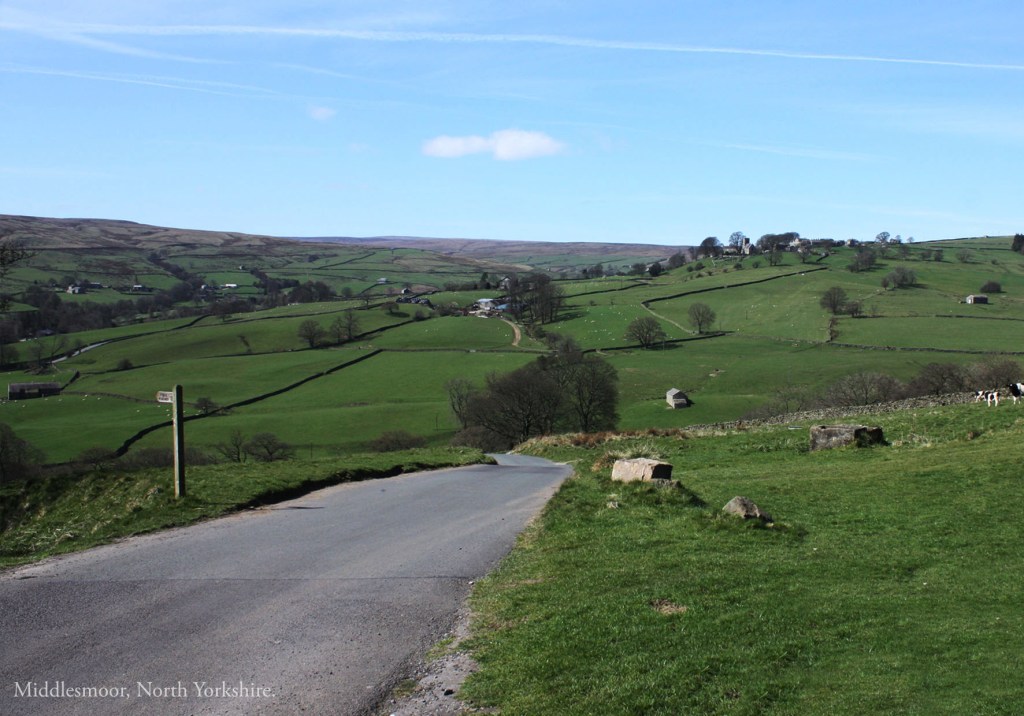
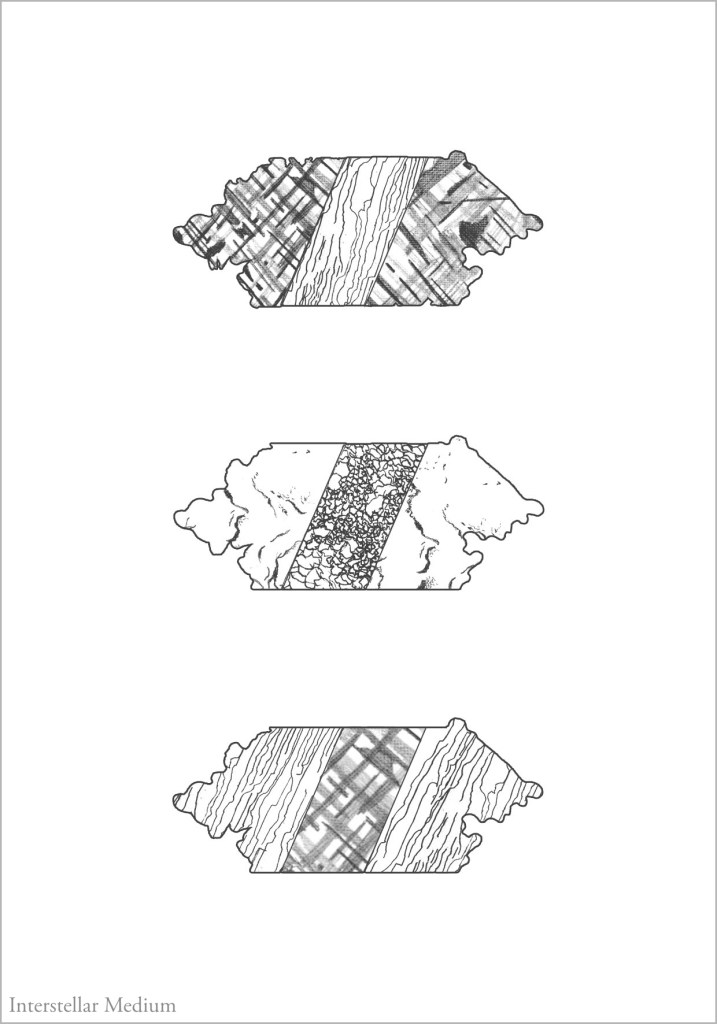
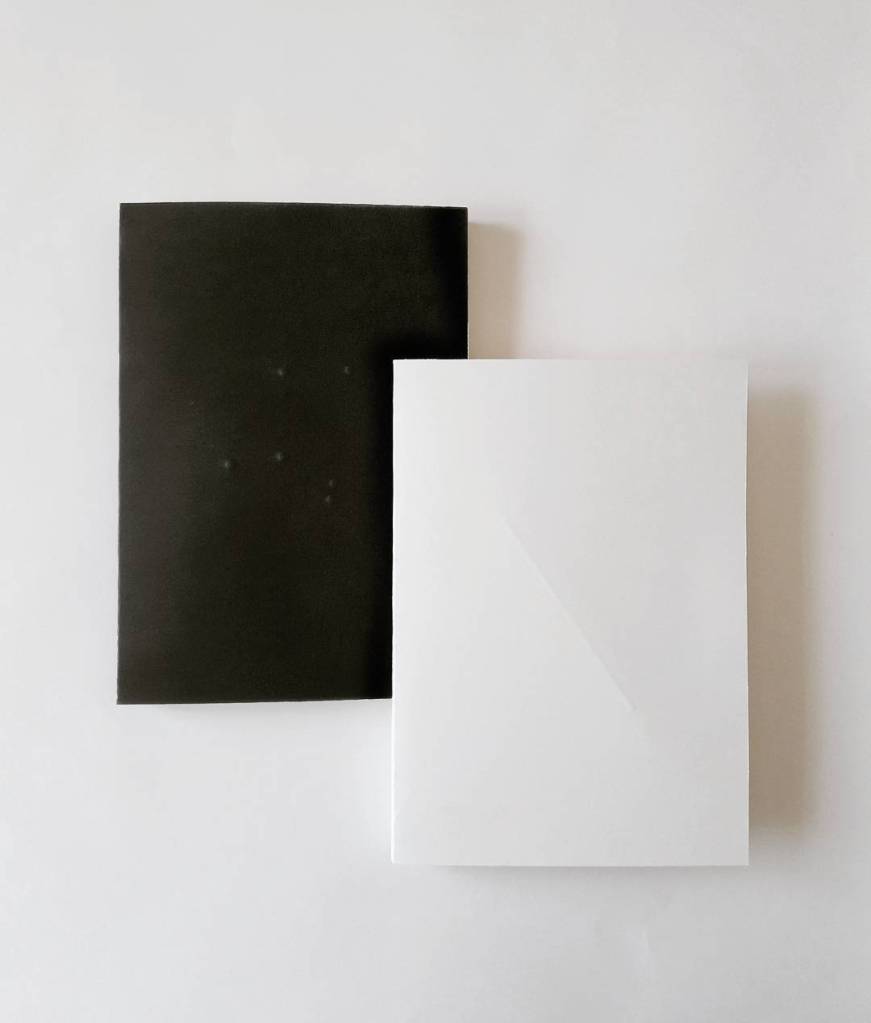
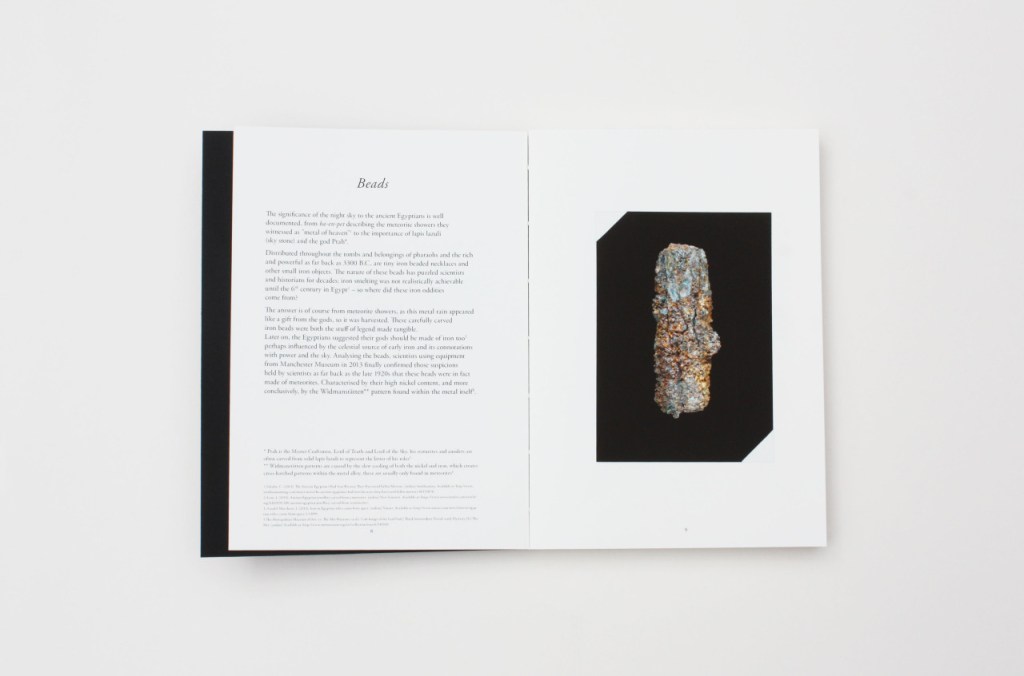
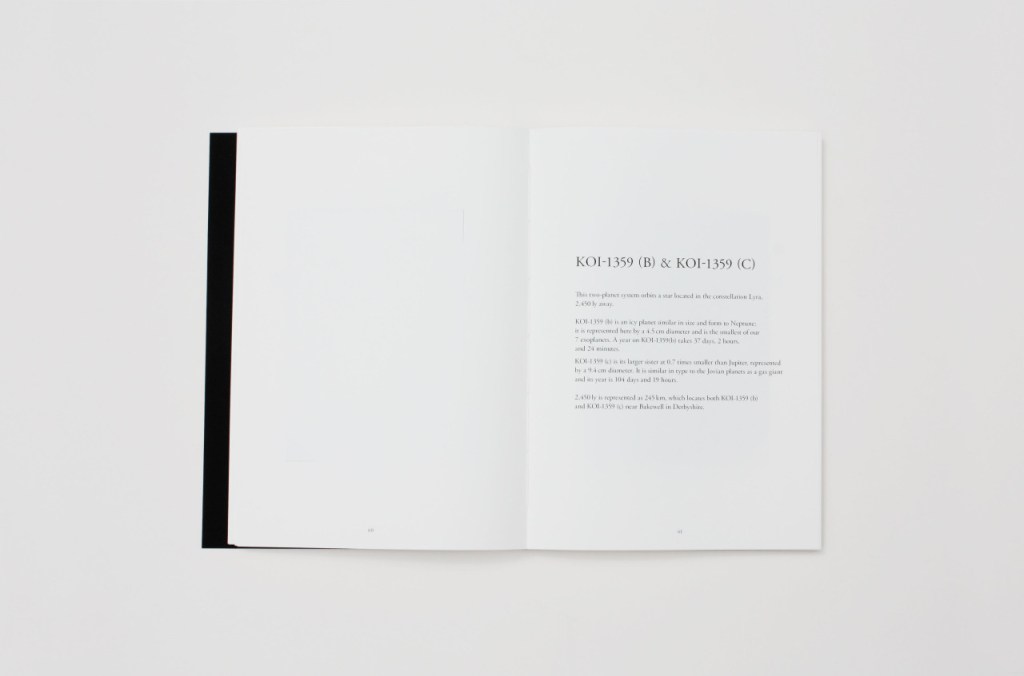
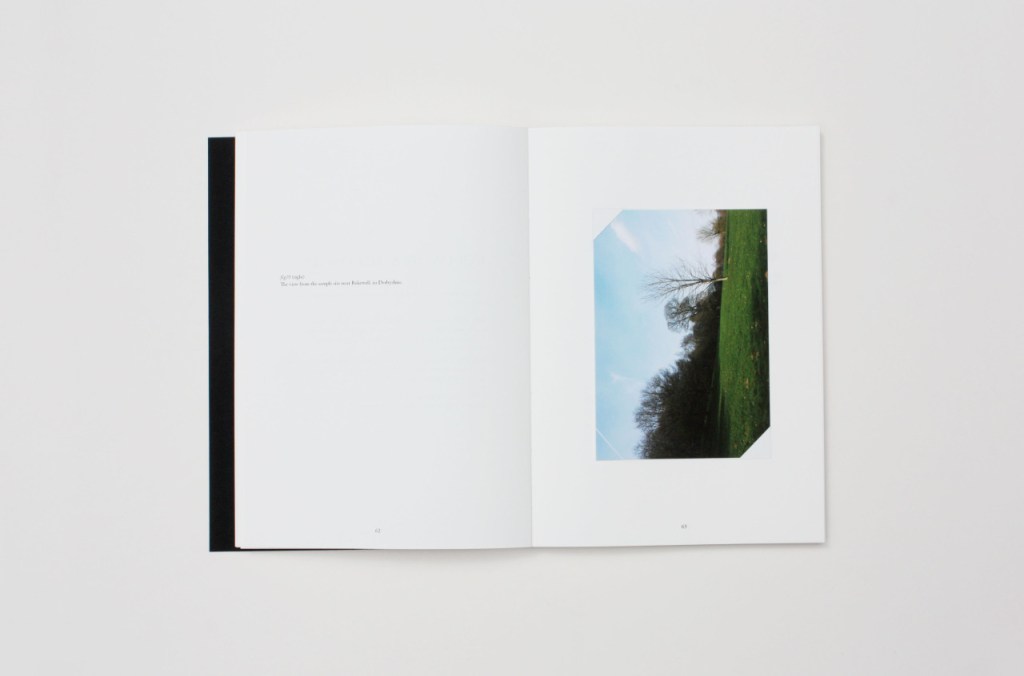
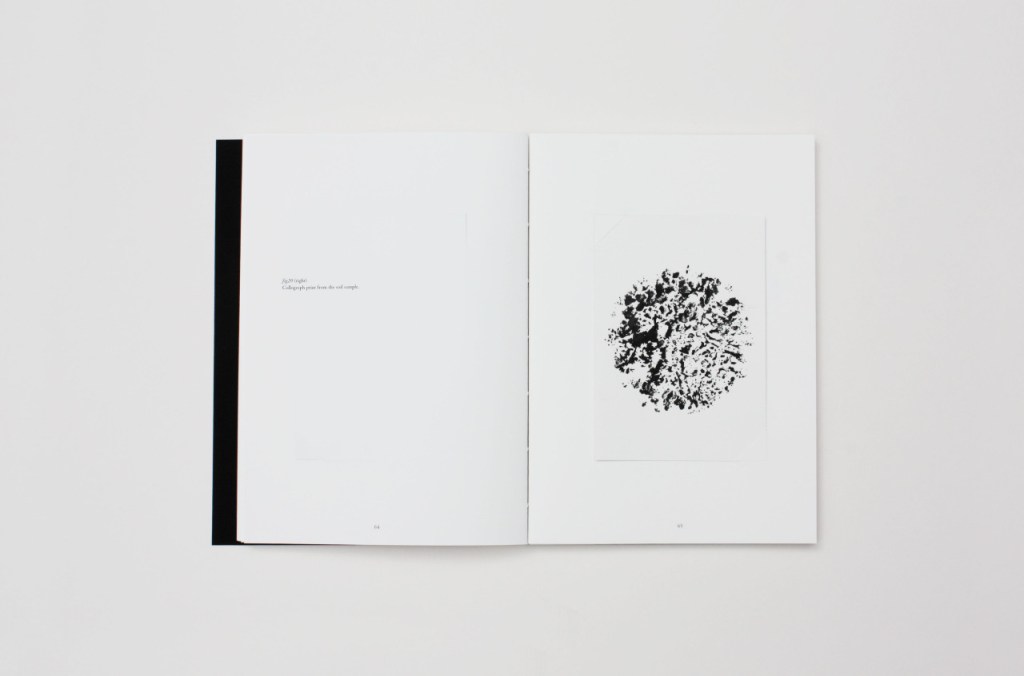
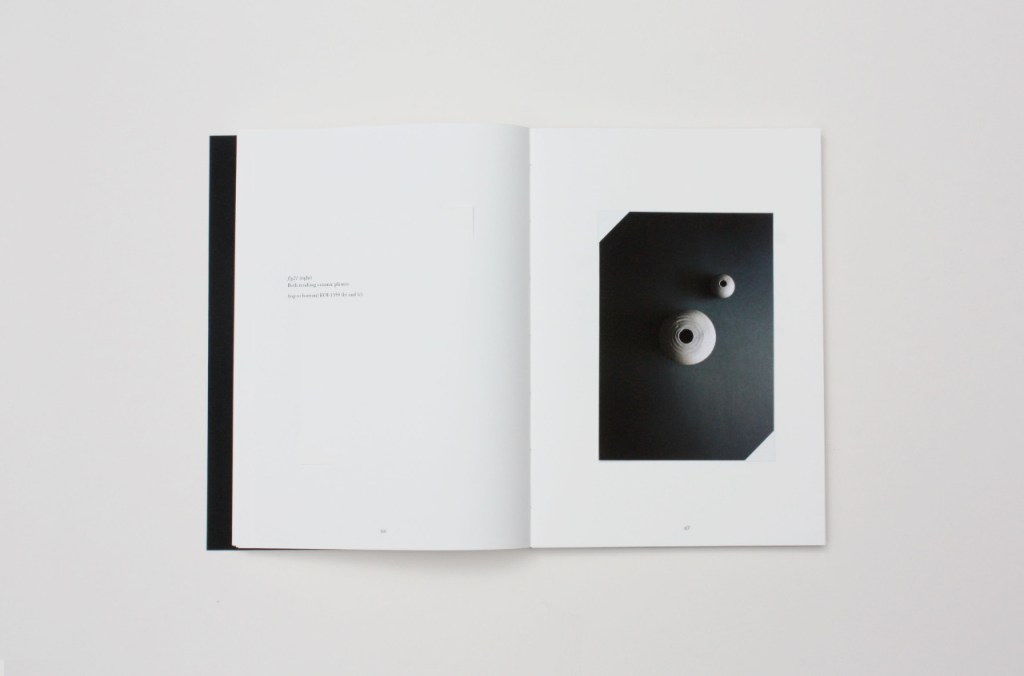
How can we understand the vastness of outer space on a human scale? This installation features a series of 3D printed ceramic sculptures based on exoplanets on NASA’s Kepler Planet Candidate List whose existence was unconfirmed.
The entire Milky Way galaxy has been condensed into a space that would fit between Svalbard and Brazil, and our heliosphere reduced to an approximate 5cm in length, a scale of 960,000,000 : 1.
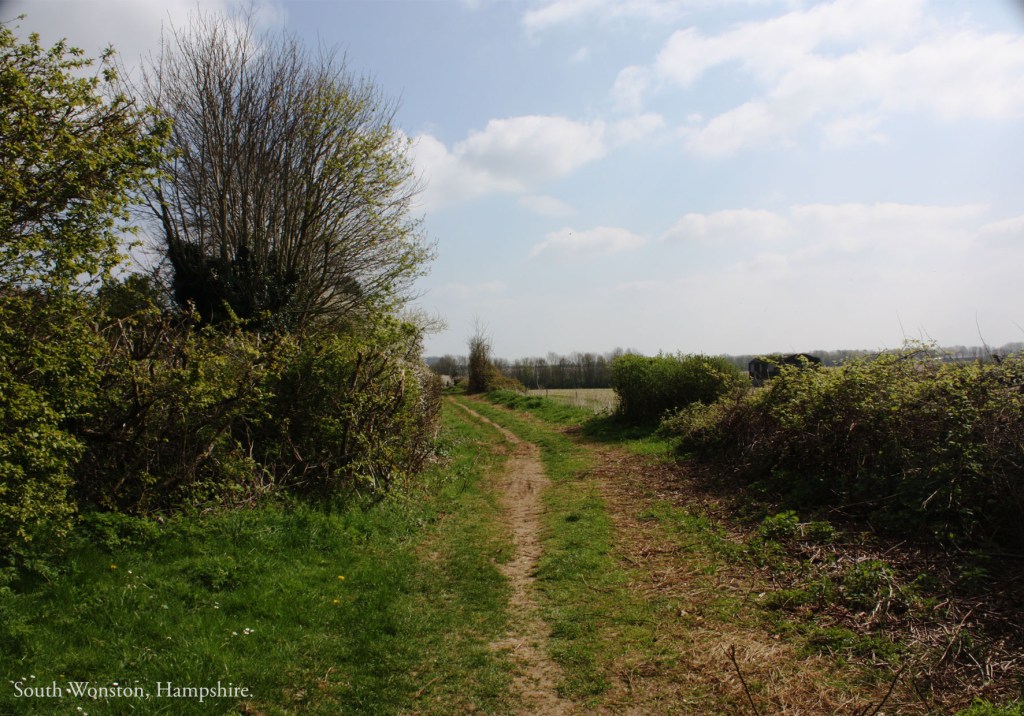
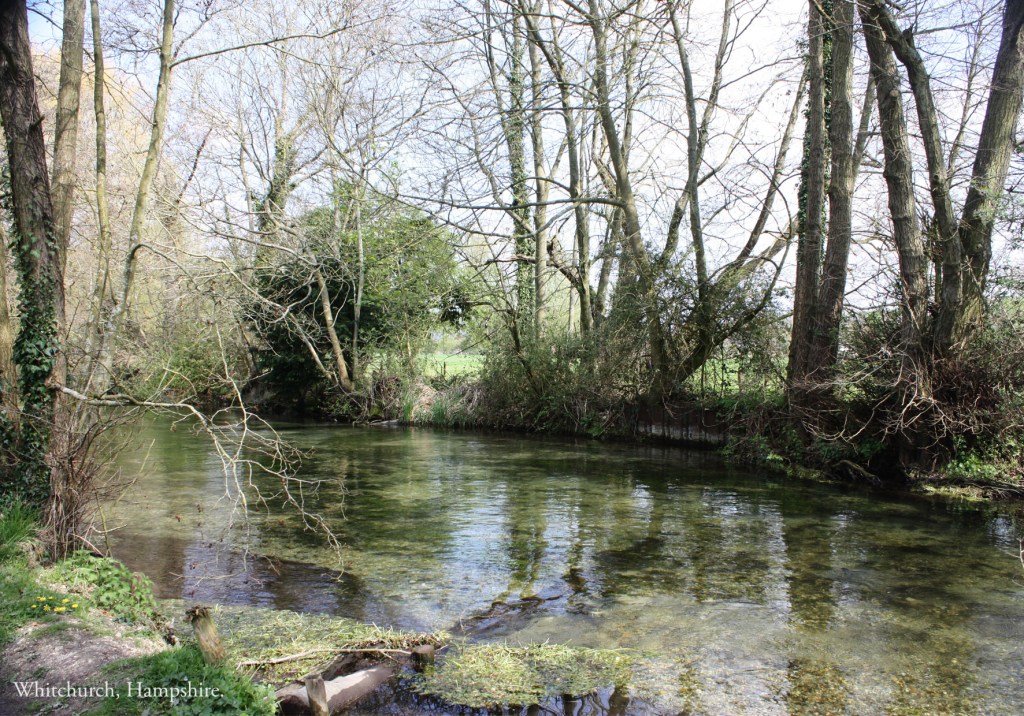
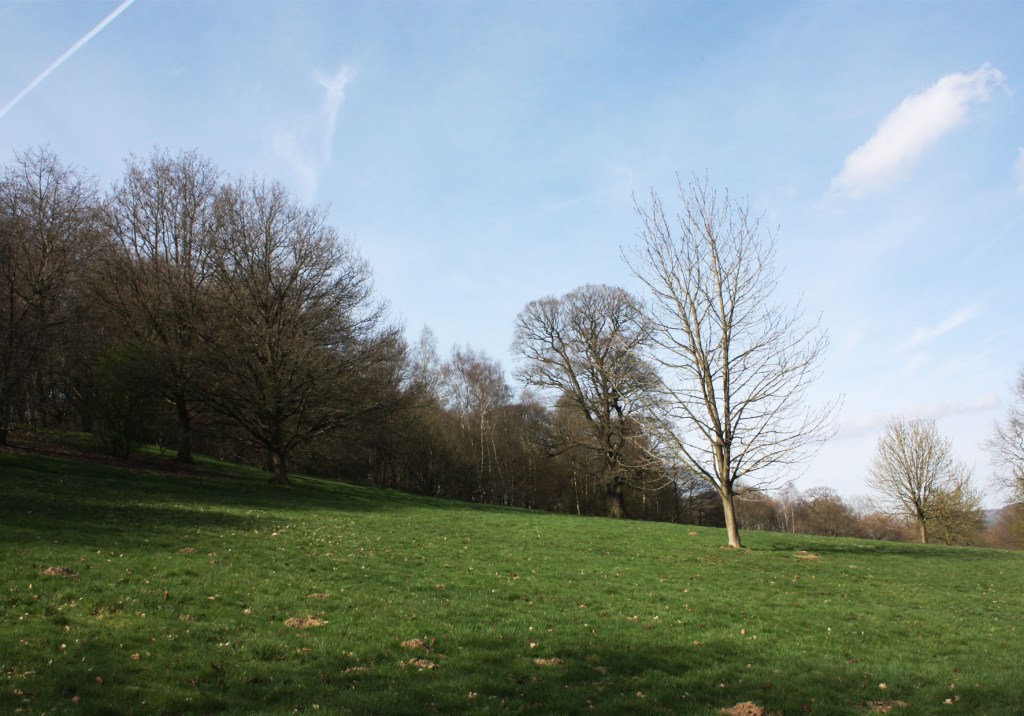
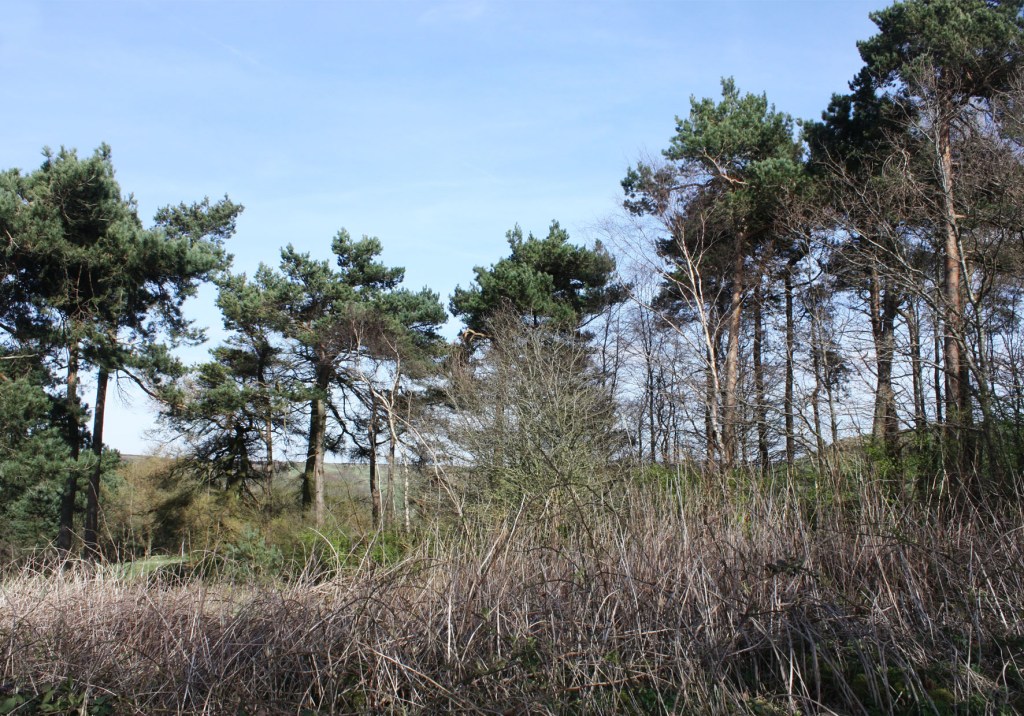
Each of these Kepler Planet Candidates was plotted onto a map of the UK and the sculptures made with soil from each location. Alongside a pair of books documenting the process.
 This Must Be The Place